
Reviewed · FIJI
Walk Nadi with a Local: Culture, Stories & Everyday Fiji.
Nadi’s real character is found beyond the hotel strip, in its market stalls, temple grounds, shopfronts, and ordinary street life. This two-hour walk with a local guide such as Maya or John gives you that setting with context, stories, and time for questions.
I like the small groups, capped at eight, and the relaxed pace. I also like the useful first-day orientation: you can learn how Nadi works, try local fruit, pick up a few words, and feel more comfortable exploring on your own. The main consideration is value. Every stop is accessible without a guide, and one part of the market can feel modest, so the experience makes sense mainly if you want conversation and cultural explanation rather than simple sightseeing.
In This Review
- Key points to know before you book
- Why this walk gives you a better first look at Nadi
- Starting outside Tappoo on Main Street
- The Nadi Produce Markets: fruit, seafood, and ordinary shopping
- The handicraft market: useful souvenirs with cultural context
- Sri Siva Subramaniya Temple: the walk’s strongest landmark
- Jack’s of Fiji: contemporary art at the finish
- The guides are the main value
- Is $39 a fair price?
- Who should book this Nadi walk?
- Practical details that affect your day
- Should you book Walk Nadi with a Local?
- FAQ
- How long does Walk Nadi with a Local last?
- Where does the tour begin and end?
- What departure times are available?
- What places are included?
- Is temple admission included?
- Is hotel pickup provided?
- What is the group size?
- Can I cancel for a refund?
Key points to know before you book
- A small-group walk capped at eight people: The size allows direct conversation and some flexibility.
- Local guides Maya and John: Both are praised for warm, clear explanations and personal stories about Fiji.
- Four central Nadi stops: You visit the produce market, handicraft market, Sri Siva Subramaniya Temple, and Jack’s art gallery.
- A useful early-stay introduction: Book it near the beginning of your visit if you want confidence before exploring alone.
- Local food and fruit context: You may taste produce and delicacies, with Saturday offering the best chance for a fuller food-market experience.
- No hotel pickup: You meet outside Tappoo Nadi Department Store and walk from there.
Why this walk gives you a better first look at Nadi
Many people see Fiji through a resort window. That is comfortable, but it can leave you with little sense of how the country works beyond the pool and palm trees. This walk takes you into central Nadi, where shopping, worship, food, migration, and daily business meet on the same few streets.
The point is not to collect four sights as quickly as possible. Your guide explains how the places connect. At the market, you learn about food and household shopping. At the temple, you get a clearer picture of Indo-Fijian life and Hindu practice. At the craft shops and gallery, you see how artists present Fijian identity today.
That personal link is the chief reason to book. John is described as having decades in tourism, while the experience itself is led by a guide with more than 18 years in Fiji’s tourism industry. Maya is also praised for her friendly manner and easy rapport with market sellers. The guide is not simply pointing out buildings. You can ask what you see, why it matters, and how it fits into life in Fiji.
You should also set your expectations correctly. This is an introduction to Nadi, not a major museum tour or a full-day food expedition. The walking is easy, but the reward comes from the explanation around each place.
Other Viti Levu days people book alongside this one:
- Cruisin Fiji: Authentic Fijian Day Cruise – Best Day in Fiji
★ 5.0 · 2,409 reviews - Jet Boat Safari on the Sigatoka River
★ 5.0 · 1,135 reviews - Captain Cook Cruises Fiji – Island and Reef Day Cruise
★ 4.5 · 752 reviews
Starting outside Tappoo on Main Street
The meeting point is outside Tappoo Nadi Department Store on Main Street. You make your own way there, so allow time to find the shopping complex and arrive ready to walk. There is no hotel pickup or drop-off.
The two departure choices are 10 a.m. and 1 p.m. The morning option is the better fit if you want a cooler start and more time afterward. The afternoon departure can work well if you have a free morning, though the tropical heat is worth considering. Wear comfortable shoes and light clothing, and bring a hat.
The walk lasts about two hours. That is long enough for a useful introduction without turning into a tiring city march. The group needs at least two people to operate, and the maximum is eight. A small group matters here because much of the experience depends on questions, personal examples, and stopping to look at things rather than moving in a large line.
The Nadi Produce Markets: fruit, seafood, and ordinary shopping
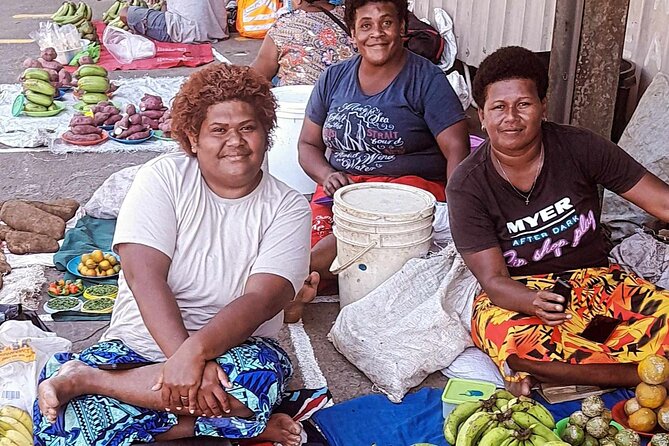
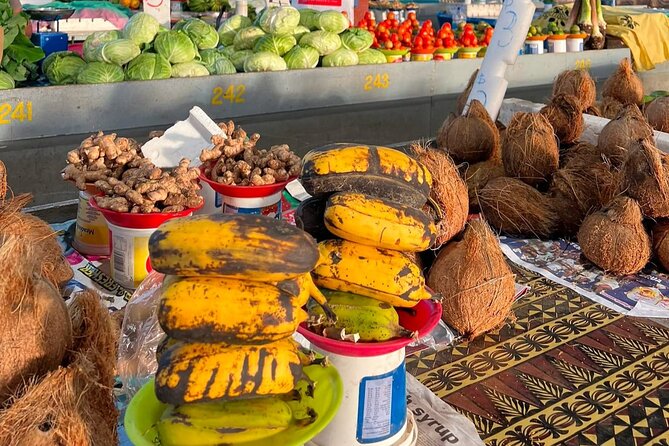
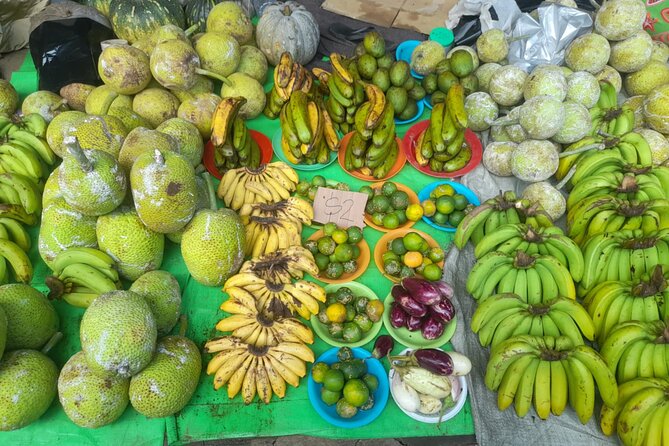
The first stop is the Nadi Produce Markets, where local shoppers buy fresh produce, seafood, spices, and cooking ingredients. You get a look at the food people purchase for home, rather than a display built only for sightseeing.
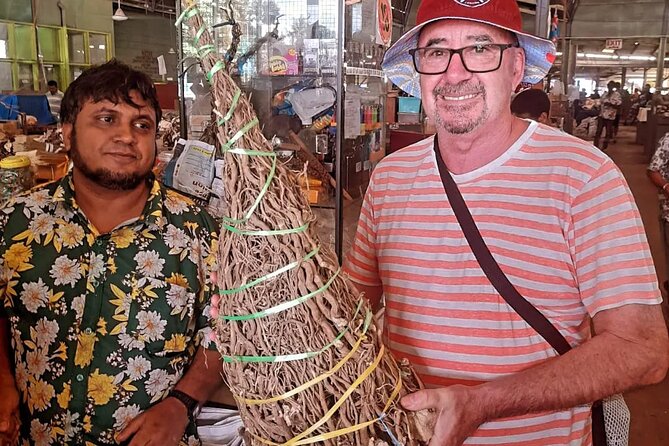
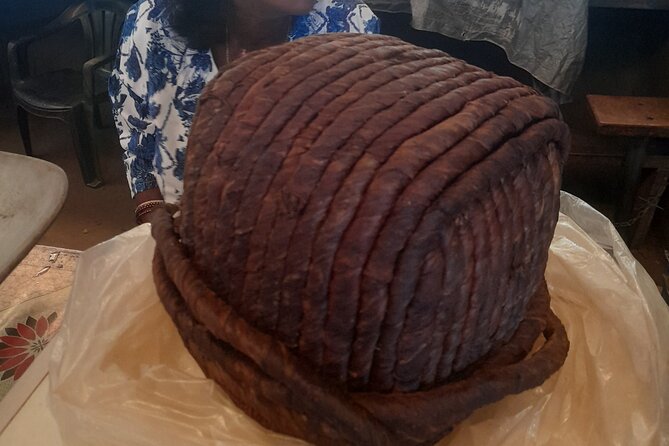
This is the place to ask your guide about unfamiliar fruit and seasonal produce. John has helped visitors choose local fruit to try, and Maya has been praised for introducing people to sellers and arranging samples. You may also have a chance to taste local delicacies, although the exact food experience can depend on the day and what is available.
Saturday is worth noting. The regular walk includes the produce market, but the food offering can be fuller on Saturday, including more opportunity to sample market food and temple food. If tasting is a major reason for booking, confirm the Saturday arrangements before you pay. The experience should be treated as a cultural walk with food moments, not as a dedicated food tour every day of the week.
The market itself may not overwhelm you. Some people find it fairly ordinary and easy to visit without help. That is a fair criticism. Its value rises when you want someone to explain the ingredients, point out what is seasonal, and connect the stalls to Fijian and Indo-Fijian cooking.
The handicraft market: useful souvenirs with cultural context
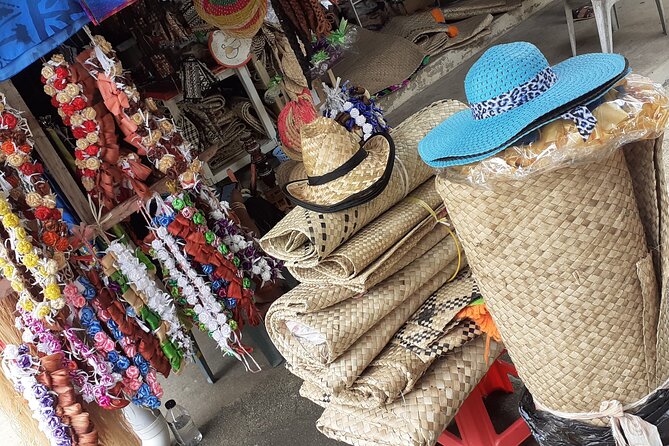
Next comes a local handicraft and art center featuring Fijian carvings, tapa cloth, jewelry, and handmade souvenirs. This stop gives you a chance to browse, but the stronger reason to linger is the explanation of what the objects represent.
Your guide can discuss how craft reflects village traditions, storytelling, and cultural identity. That context helps you look past the standard souvenir question of how much does this cost? and consider how an object was made, what tradition it draws from, and how it is presented for sale.
You may see items such as carvings, woven or decorated materials, and jewelry. The information provided does not promise a hands-on demonstration or a specific purchase, so do not arrive expecting a formal workshop. This is a shopping and interpretation stop.
Some visitors appreciate having a local guide beside them in the market, especially if they are unsure where to look or how to approach sellers. Others will find the area easy to explore independently. Again, the fee is paying for the guide’s explanation and social ease, not for access to a restricted site.
A small practical note: if you are considering a purchase, take your time. The guide can help you understand what you are seeing, but you remain free to browse without buying.
Same island, a completely different day out:
- Malamala Beach Club – Full Day
★ 4.5 · 684 reviews - South Sea Sailing Full Day Trip (5 years and above only)
★ 5.0 · 600 reviews - Jewel Of Fiji incl Fijian Village, waterfall & Lunch(Nadi Hotels)
★ 5.0 · 570 reviews - Full Day South Sea Island with Lunch & Drinks
★ 4.0 · 538 reviews
Sri Siva Subramaniya Temple: the walk’s strongest landmark
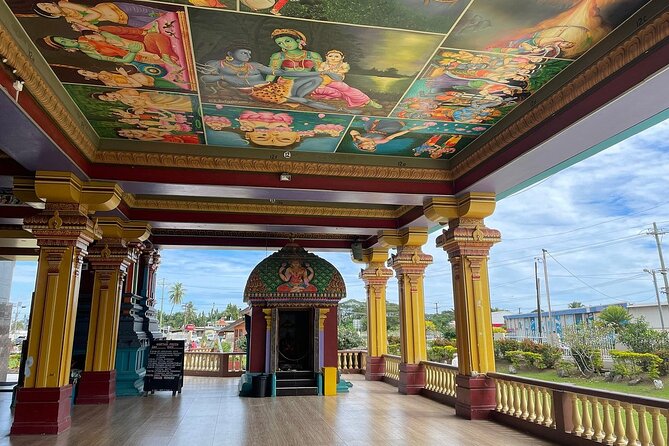
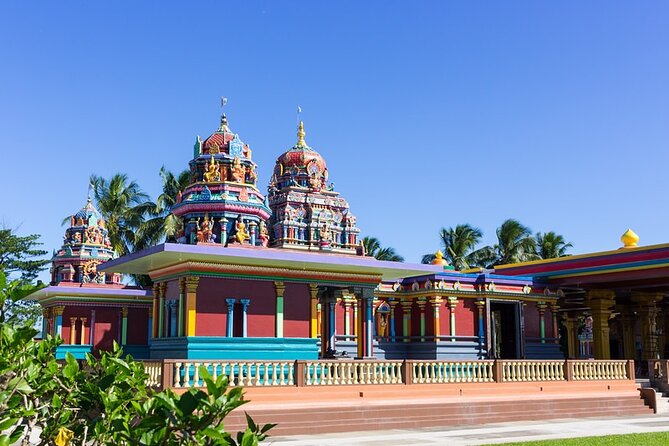
The Sri Siva Subramaniya Swami Temple is the clearest architectural highlight of the route. It is the largest Hindu temple in the Southern Hemisphere and one of Nadi’s most important cultural landmarks.
The visit adds a side of Fiji that a resort holiday can easily miss. Your guide explains Hindu beliefs, daily rituals, and the history of the Indo-Fijian community. That matters because Fiji is not one single cultural story. Indigenous Fijian traditions and Indo-Fijian life are both central to understanding the country, and this temple offers a direct place to discuss faith, migration, family, and modern identity.
The temple entry fee is included in the tour price. You should dress respectfully and follow any instructions given at the site. The supplied information does not set out detailed clothing rules, so comfortable, modest clothing is the sensible choice.
Give this stop your full attention. People who found the market fairly ordinary still singled out the temple as impressive. The building, religious setting, and explanation make it more than a photo stop. You learn why the temple matters, not just where it is.
If you walk through Nadi alone, you can certainly find the temple. What you may miss is the connection between the building and Indo-Fijian history, along with the chance to ask questions in the moment. For many people, this is where the guide fee begins to feel worthwhile.
Jack’s of Fiji: contemporary art at the finish
The tour ends at Jack’s of Fiji on Queens Road, a few metres from the starting point. On the first floor, a small art gallery presents contemporary Fijian work.
This is a useful finish because it shifts the conversation from traditional objects to present-day creative life. You learn how artists address identity, heritage, and social change in Fiji now. It gives the walk a wider frame: culture is not frozen in carvings, temple rituals, or market goods. It keeps changing.
The gallery visit lasts about 20 minutes. It is not a large national museum, and you should not expect a long exhibition. Its appeal is the compact closing look at modern Fijian expression, followed by the convenience of ending near the center of town.
The end point also makes the tour easy to fold into your day. You can continue shopping on Main Street, return to your hotel, or make your own way to another Nadi activity. Since the start and finish are close together, you do not need to arrange a return transfer.
The guides are the main value
Maya and John receive the strongest praise for this experience. Their qualities are practical rather than theatrical: clear explanations, patience, local familiarity, and a willingness to answer questions.
John has been described as attentive with families, including groups with young children and teenagers. He has also been praised for staying close to his group, pacing the walk well, and helping people feel at ease on busy streets. That can matter if you are new to Fiji and unsure about finding the market or temple on your own.
Maya is noted for her warm welcome and good relationships with market sellers. Her approach can make the produce stop more engaging, especially if you want to try unfamiliar fruit or see how the market works through local connections.
Guiding quality can vary by departure, so you should not assume one particular person will lead every tour. Still, the experience is built around local hosts rather than a fixed audio script. That is a strength for anyone who likes to ask follow-up questions.
The guide’s role is especially useful when you want cultural confidence. You can learn simple local words, ask about faith and migration, and get advice on respectful behavior. It is a better fit for curiosity than for a fast list of attractions.
Is $39 a fair price?
At $39 per person, the tour is not the cheapest way to see Nadi. You can walk along Main Street, visit the market, find the handicraft center, and reach the temple without paying for a guide. The temple admission is included, but the entry fee alone does not account for the full price.
I see the value in the human element. You are paying for two hours of local interpretation, a small group, help understanding what you see, and the ease of moving through places that can feel unfamiliar. If John or Maya helps you make sense of Fiji’s two major cultural strands, introduces you to market life, and gives you confidence to continue on your own, the cost can be reasonable.
The value is weaker if you only want photographs or a short shopping outing. One person could reasonably decide to visit the same places alone and spend the saved money on another activity. That is not a flaw in the route. It simply tells you what the fee buys: access to a guide’s time and insight, not exclusive access to Nadi.
Group discounts may improve the price for families or friends. Since the group is limited to eight, a shared booking can also keep the experience personal without the cost of a private tour.
Who should book this Nadi walk?
I would recommend it most strongly for first-time visitors, couples, small groups, and anyone staying at a resort who wants a clearer picture of daily Fiji. It is also a good choice for people who prefer local businesses and want to spend money on a community-based experience.
Families can manage the route because it is an easy walk, and the guides have shown patience with children. Still, younger children may not care much about market ingredients or art, so your family will get more from it if everyone can take part in questions and tasting.
Book it early in your stay if possible. The tour helps you understand where central Nadi is, how the market works, and what you are seeing at the temple. You can then return to places that interest you, shop with more confidence, or ask better questions during the rest of your holiday.
Booking it near the end can still work. Some people prefer to first see Nadi independently and then use the walk to fill in the gaps. But if you only have one day in town, an early departure gives you more practical benefit.
Practical details that affect your day
You receive confirmation when you book, and mobile tickets are available. Public transportation is nearby, but you must find the meeting point yourself.
Wear walking shoes and bring a hat. Comfortable clothing matters more than dressing for a formal sightseeing excursion. Bring water, especially for the 1 p.m. departure, though the walk is described as easy rather than strenuous.
Food and drinks are not included. You may have chances to taste fruit or local delicacies at the market, but plan to buy anything else you want. Tips and gratuities are also separate.
Free cancellation is available up to 24 hours before the local start time for a full refund. Changes made inside that window are not accepted, and late cancellations are not refunded. Poor weather or failure to reach the minimum of two participants can lead to a new date or a full refund.
Should you book Walk Nadi with a Local?
Book this tour if you want meaning and context, not just a route through town. The temple visit, market conversations, and stories from guides such as Maya and John can make Nadi feel far more understandable than it does from a taxi window.
Skip it if you are comfortable exploring independently, have a tight budget, or expect a full food tour and major attractions. The market is not a grand spectacle, and several stops are free to enter.
For most first-time visitors, I would take it on the first or second day, choose the morning if possible, and aim for Saturday if food tasting is especially important. At $39, it is a fair introduction to Nadi when you value a local guide’s time and explanations. It is less compelling when you only need directions.
FAQ
How long does Walk Nadi with a Local last?
The experience lasts approximately two hours.
Where does the tour begin and end?
It begins outside Tappoo Nadi Department Store on Main Street in Nadi. It ends at Jack’s of Fiji, 401 to 403 Queens Road, Nadi, on the first floor near the starting area.
What departure times are available?
The tour departs at 10 a.m. and 1 p.m.
What places are included?
The route includes the Nadi Produce Markets, a handicraft market, Sri Siva Subramaniya Temple, and the small contemporary art gallery at Jack’s of Fiji.
Is temple admission included?
Yes. The entry fee to Sri Siva Subramaniya Temple is included in the tour price.
Is hotel pickup provided?
No. You must make your own way to the meeting point. The area is near public transportation.
What is the group size?
The tour requires at least two participants to operate and accepts a maximum of eight people.
Can I cancel for a refund?
Yes. You can cancel at least 24 hours before the local start time for a full refund. Poor weather or failure to meet the minimum number of participants may also result in a new date or a full refund.
Just added around Viti Levu
- Discover Fiji Best Sights Tour from Lautoka wharf Cruise Ships★ 4.0 · 5 reviews
- iconic waterfall tour★ 4.5 · 12 reviews
- Discover Coral Coast Combo Tour★ 3.5 · 3 reviews
- Waterfalls and Nature Tour★ 4.5 · 9 reviews
- Best of Fiji Tours: 3 Days Package★ 4.5 · 5 reviews
- Self Drive BBQ eBoat Cruise with Onboard BBQ Denarau Fiji★ 5.0 · 10 reviews
- Skydive Fiji Radical 10000ft Tandem Jump (30 seconds free fall)★ 5.0 · 12 reviews
- Shelter Visit & Tour★ 5.0 · 13 reviews